Featured
Table of Contents
- – Where to Start Your Treatment Endeavor
- – Working Through the Foundational Problems of M...
- – Growing Solid Evolution Through Professional ...
- – Your Days Healed From Low Self-Esteem
- – Your World Without Anxiety
- – Progress from Excessive Expectations to Self...
- – How Depression therapy Promotes Wellness
Treatment is a very personal experience. Not all therapists will certainly be an excellent fit for your needs, issues, and objectives. Meet a few therapists for a first 10-15 min examination to "look around" and see who you appear to like/vibe with one of the most. Nonetheless, some therapists may not provide an appointment.
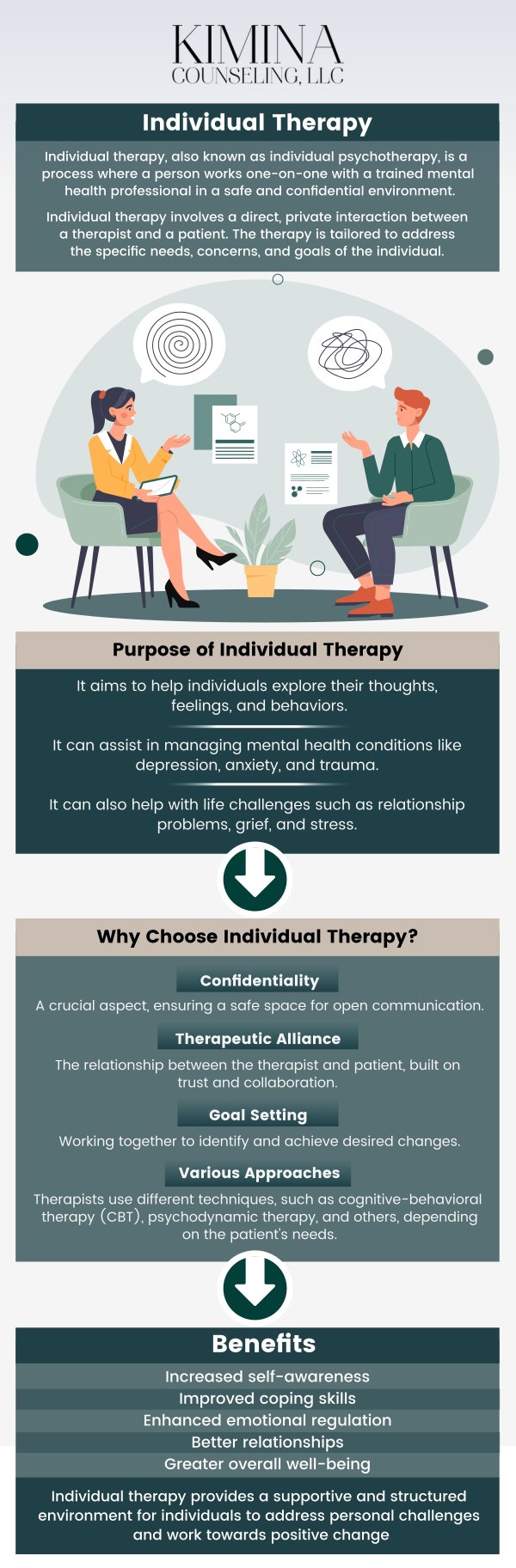
If you are unclear after one session, either consider a different therapist or established a follow-up session to clarify your issues. Do not feel pressured to remain with one specialist. Even if a specialist has actually specialized training and extensive experience in what you are looking for, you might not be a great fit as a result of aspects such as personality differences, interaction styles, cultural distinctions, and so on.
Where to Start Your Treatment Endeavor
As a customer of therapy, you can do your due diligence and enlighten on your own on what your rights are and what to anticipate (see below for additional information). Look out for warnings in therapists. This can consist of: sexual advances, attempting to be your close friend, being repeatedly late, making sessions everything about them and not you, and so forth.
It takes time for thoughts, sensations, and experiences to metabolize and make even more sense. Take a break as required and connect this need with your specialist. Be as honest as possible with your specialist with what is functioning, what is not functioning, and whatever else you could not desire to bring up.
You might require a various type of specialist during institution. An additional type of therapist as you are looking for a work.
Working Through the Foundational Problems of Mental Health Struggles
The empirical situation for the usual aspects in therapy: Quantitative searchings for. The Client in Psychotherapy., Bergin and Garfield's Manual of Psychotherapy and Behavior Change (Sixth ed., pp.
Psychotherapy partnerships that work III.Psychotherapy, 55( 4 ), 303315. Psychotherapy outcome research study: Effects for integrative and eclectical specialists., Manual of psychotherapy combination (pp.
One therapist might be a terrific fit for you and your requirements. A specialist can be highly trained and still be a bad fit for a client.
Growing Solid Evolution Through Professional Help
Treatment is an extremely individual experience. Not all therapists will certainly be a good fit for your demands, concerns, and goals. Consult with a couple of specialists for a first 10-15 min appointment to "go shopping around" and see that you appear to like/vibe with one of the most. Nevertheless, some therapists may not use a consultation.
If you are not sure after one session, either take into consideration a different therapist or established a follow-up session to clarify your concerns. Do not feel pressured to remain with one therapist. Even if a specialist has specialized training and comprehensive experience in what you are looking for, you may not be a great fit as a result of variables such as individuality differences, interaction designs, cultural differences, etc.
Your Days Healed From Low Self-Esteem
As a customer of therapy, you can do your due persistance and enlighten on your own on what your legal rights are and what to anticipate (see below for even more information). Keep an eye out for red flags in specialists. This can consist of: sexual developments, trying to be your buddy, being continuously late, making sessions all regarding them and not you, and so forth.
It takes time for ideas, feelings, and experiences to metabolize and make more feeling. Take a break as needed and interact this requirement with your specialist. Be as sincere as feasible with your specialist with what is working, what is not working, and whatever else you may not desire to bring up.
You may need a different type of therapist throughout school. Another type of specialist as you are looking for a job.

The empirical instance for the usual variables in therapy: Measurable searchings for. The Client in Psychotherapy., Bergin and Garfield's Handbook of Psychotherapy and Habits Adjustment (6th ed., pp.
Your World Without Anxiety
Psychotherapy connections that function III.Psychotherapy, 55( 4 ), 303315. Psychotherapy end result research study: Effects for integrative and eclectical therapists., Handbook of psychiatric therapy integration (pp.
If you remain in therapy, occasionally it can be tough to see progress. A number of variables, like contentment with satisfied goals, can help you analyze whether it's assisting or hurting you. If you're starting therapy or seeing a brand-new specialist, you may have concerns about the process. Therapy has its ups and downs.
Progress from Excessive Expectations to Self-Kindness
This is reliant on your strategy of therapy and may also depend upon what kind of therapy is a great fit for you. Right here are some indications of reliable treatment: You're meeting the goals you establish with your specialist. You seem like your therapist comprehends you. You trust your specialist.
Your therapist holds excellent boundaries. Your therapist explains to you the benefits and dangers of treatment. Your specialist is sufficiently learnt the concerns you're bringing to treatment. If you feel like your therapist comprehends and feels sorry for you, that's a good indicator therapy might be working. A 2018 literary works testimonial of over 30,000 individuals in therapy sustains the concept that restorative partnership or the partnership in between you and your specialist forecasts far better therapy results.
You aren't open up to your specialist's recommendations. You don't trust your therapist. You have actually a badly trained specialist. Your specialist is practicing outside their extent of method. Therapy may not help numerous reasons. In some cases it results from the personal attributes of the therapist and their area of know-how. Other times, it may be due to the fact that you aren't ready to attend to the troubles you're bringing to therapy in a straightforward way.
How Depression therapy Promotes Wellness
If you find that your specialist has been unethical, sometimes that might call for a report to the professional licensing board in your state. A specialist needs to never violate your discretion or involve in a sexual partnership with you.
Remember, therapy is a collective process between you and your therapist. You both have to put in the job to enjoy the benefits.

Table of Contents
- – Where to Start Your Treatment Endeavor
- – Working Through the Foundational Problems of M...
- – Growing Solid Evolution Through Professional ...
- – Your Days Healed From Low Self-Esteem
- – Your World Without Anxiety
- – Progress from Excessive Expectations to Self...
- – How Depression therapy Promotes Wellness
Latest Posts
Collaborative EMDR Intensives Treatment for Comprehensive Care
Discovering Indicators of Intergenerational Trauma in Oakland, CA
Addressing Past Wounds across Diverse Communities
More
Latest Posts
Collaborative EMDR Intensives Treatment for Comprehensive Care
Discovering Indicators of Intergenerational Trauma in Oakland, CA
Addressing Past Wounds across Diverse Communities